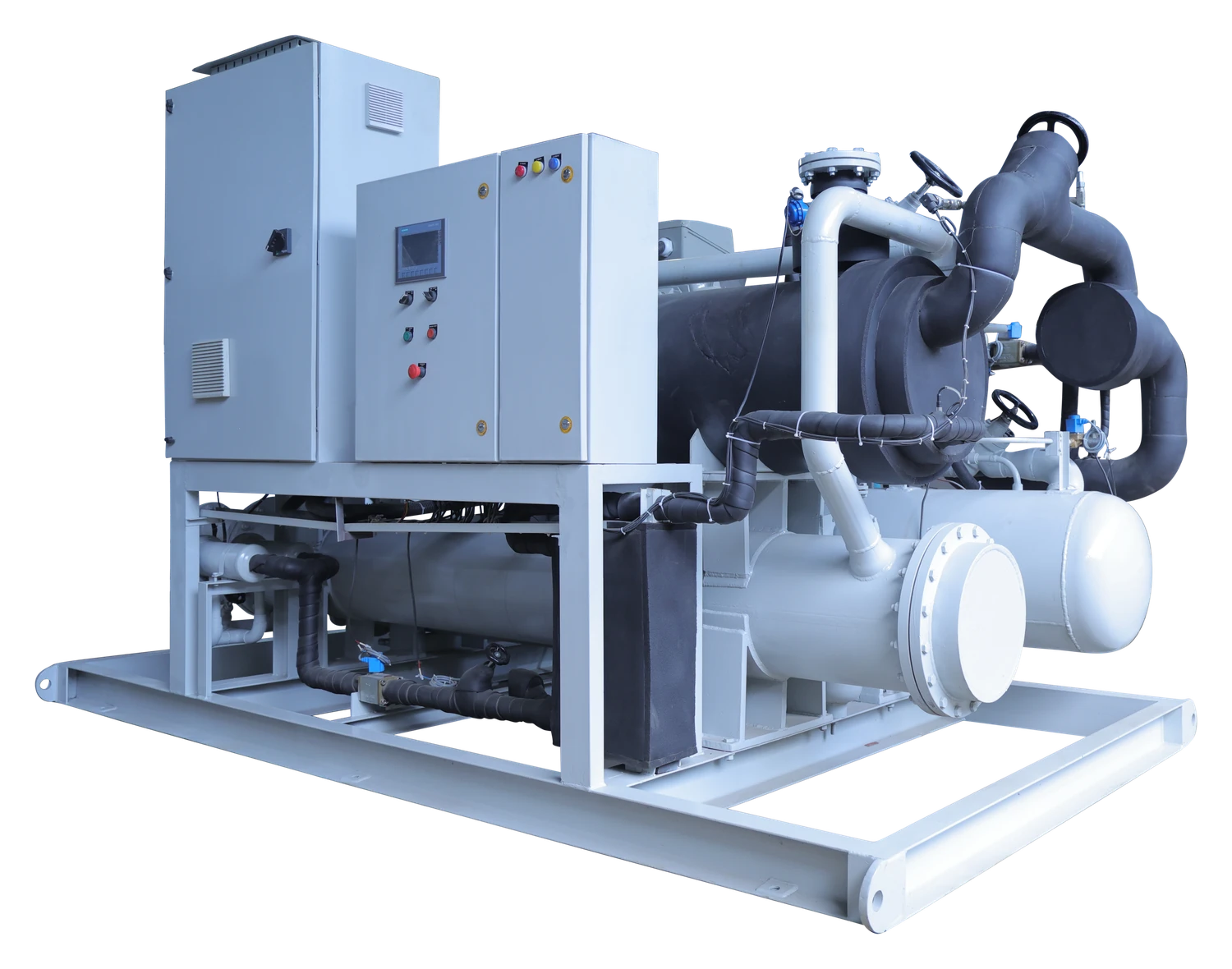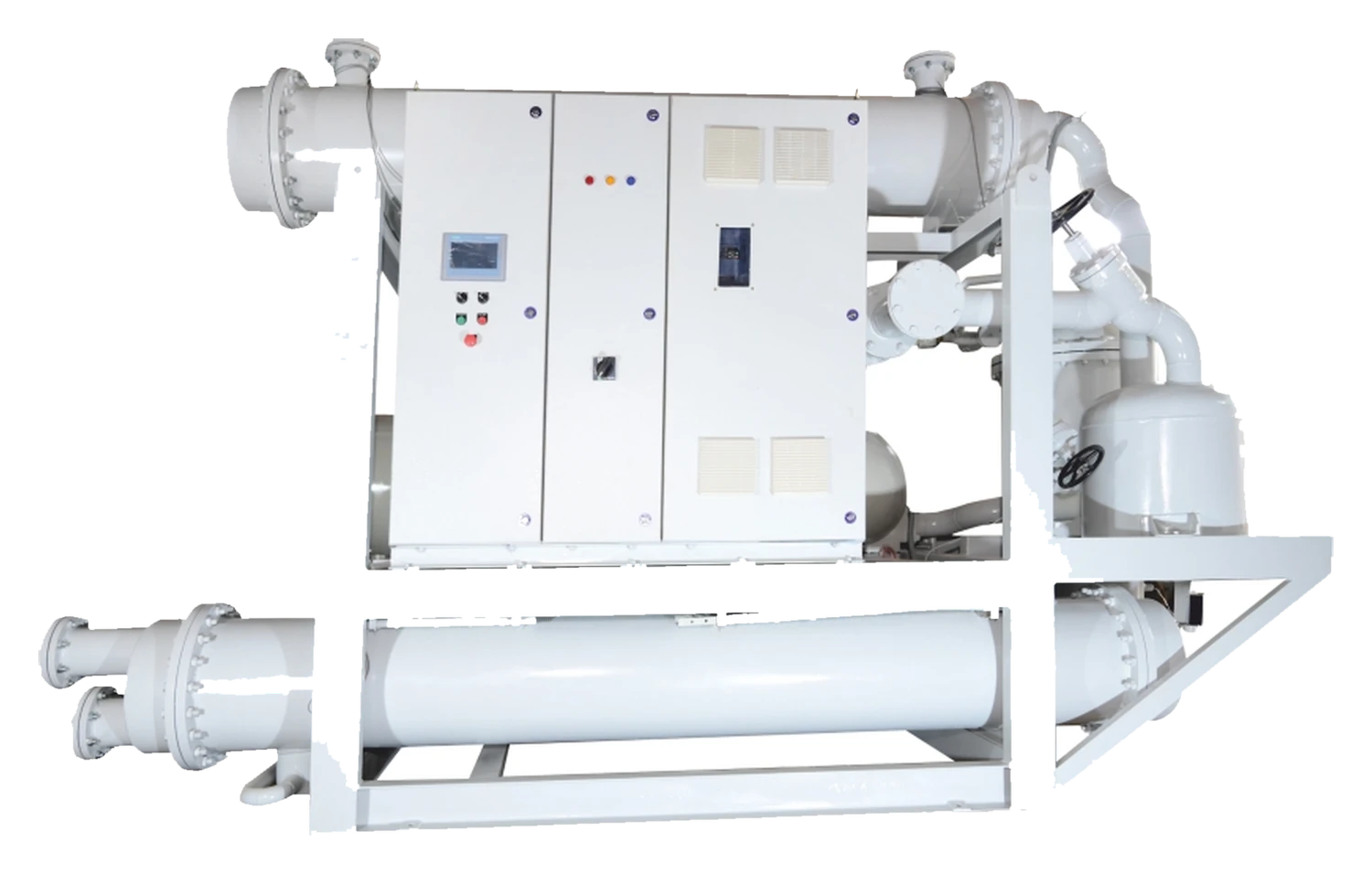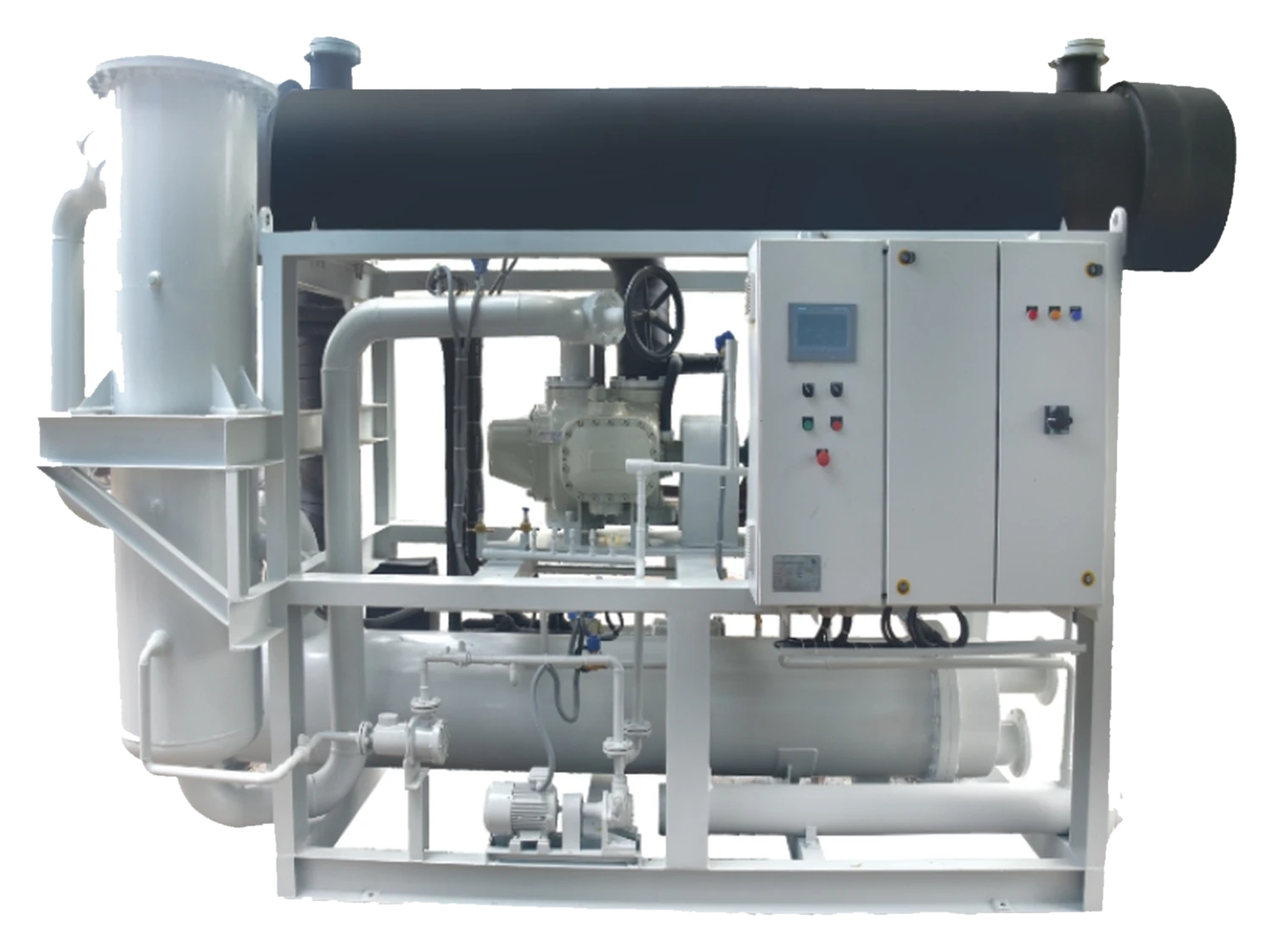
Pharmaceutical and API manufacturing depends on precise sub-zero cooling. Reactions must be held at a set temperature to control selectivity and impurity profiles; crystallisers need controlled cooling curves; solvent condensers must recover as much vapour as possible. Teqtive has supplied brine chillers to API and pharmaceutical plants in India and abroad, and they remain our core product.
Typical pharma cooling duties
| Duty | Coolant / temperature | Equipment |
|---|---|---|
| Reactor jackets and limpet coils | Glycol or methanol brine, −10 °C to −40 °C | Brine chiller, methanol chiller |
| Low-temperature reactions (e.g. lithiation, Grignard) | −40 °C to −70 °C | Two-stage or cascade chiller |
| Crystallisers and centrifuges | Brine, 0 °C to −20 °C | Brine chiller |
| Vent and solvent condensers | Brine, −10 °C to −30 °C | Brine chiller |
| Utilities, HVAC process water, purified water loops | Chilled water, +5 °C to +10 °C | Screw or scroll chiller |
| Compressed air drying | PDP +2 °C | Refrigerated air dryer |
What we design for in pharma plants
- Brine choice and concentration set by the coldest jacket temperature: see brine vs glycol and brine freezing points.
- Evaporator metallurgy: carbon steel or stainless steel shells, copper or SS tubes, to suit the brine and site practice.
- Hazardous-area awareness where methanol brine or solvent areas require it.
- Stable control for multiple reactors on one header, with buffer tanks and secondary pumps.
- Redundancy: multi-compressor or N+1 arrangements so a batch is never lost to a single failure.
- Documentation to the URS, with qualification support as agreed.
Sizing for batch reactors
Batch loads are peaky: the heat of reaction and the cool-down of a full batch can be several times the average. Buffer volume and staged compressors absorb the peaks without oversizing the plant. Our guide chiller for chemical and pharma reactors gives the calculation method, and two-stage vs cascade explains the choice below −40 °C.
Share your reactor list and temperatures and our process team will propose a scheme.
Frequently asked questions
Which chiller is used in pharmaceutical plants?
API and bulk-drug plants mainly use brine chillers: glycol or methanol brine at −10 °C to −40 °C for reactor jackets, crystallisers and condensers, plus chilled water at +5 °C to +10 °C for utilities. Very low-temperature reactions use two-stage or cascade chillers down to −70 °C.
Why do pharma plants use methanol brine?
Methanol–water brine stays thin and pumpable at −30 °C to −40 °C, where glycol becomes viscous. That gives better heat transfer in reactor jackets and lower pumping power. It is flammable, so the system must be designed for it.
Can Teqtive design a chiller to our URS?
Yes. We design to the user requirement specification and supply documentation for design, installation and operational qualification as agreed with the customer.
How do I size a chiller for a reactor?
Add up the heat of reaction, the sensible heat to cool the batch to its set point in the required time, agitator heat and losses, then size for the coldest jacket temperature with the brine's real properties. Our reactor sizing guide walks through the method.