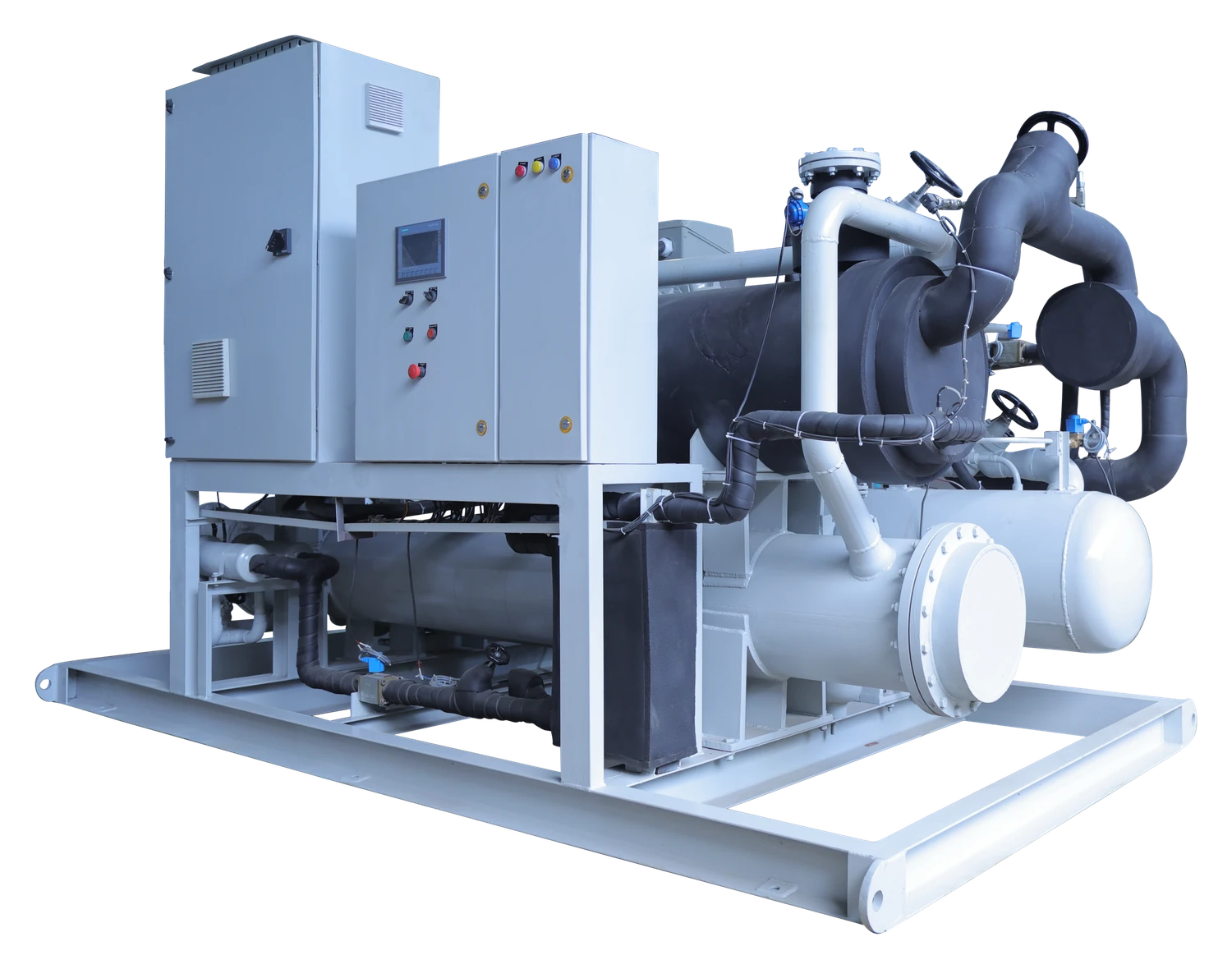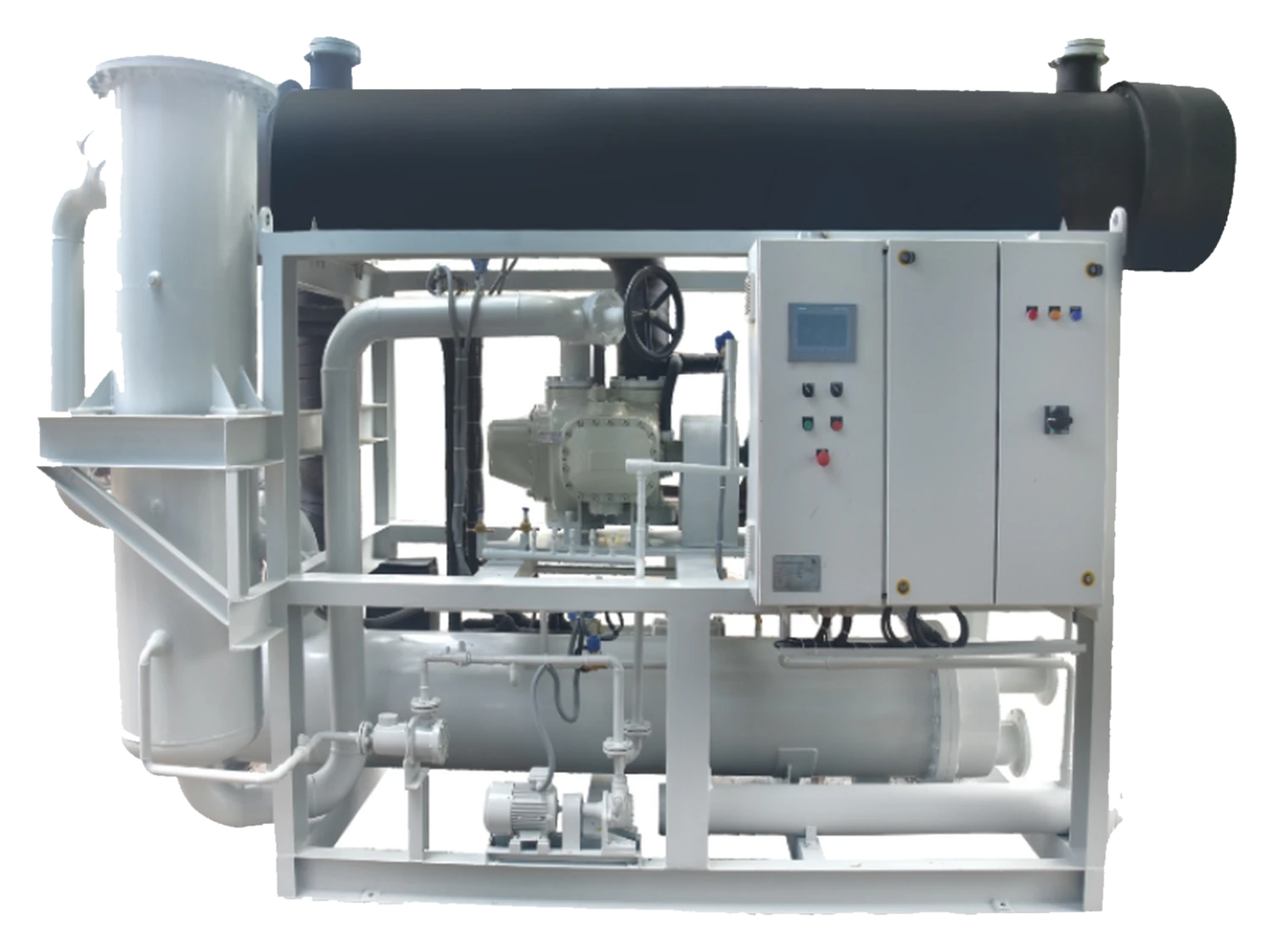
Below 0 °C plain water freezes, so a process chiller has to circulate a secondary coolant with a lower freezing point. In India all of these are loosely called "brine", but there are really four families, and choosing the wrong one costs you in corrosion, pumping power or safety.
The four common low-temperature coolants
| Coolant | Approx. usable range | Strengths | Watch-outs |
|---|---|---|---|
| Salt brine (CaCl₂, NaCl) | CaCl₂ to ≈ −45 °C; NaCl to ≈ −18 °C | Cheap, good heat transfer, non-flammable | Very corrosive to carbon steel — needs inhibitors, SS or careful pH control |
| Monoethylene glycol (MEG) | ≈ +5 °C to −35 °C | Inhibited grades protect metals; stable; widely available | Toxic; viscosity rises sharply below −25 °C |
| Monopropylene glycol (PEG / MPG) | ≈ +5 °C to −30 °C | Low toxicity, food-grade | Higher viscosity and slightly poorer heat transfer than MEG |
| Methanol–water | ≈ −20 °C to −40 °C and below | Low viscosity at deep sub-zero temperatures | Flammable and toxic — needs hazardous-area design |
How to choose
- Start from the lowest process temperature. Down to about −25 °C, glycol is usually the best balance. Below −30 °C, viscosity pushes many pharma and chemical plants to methanol or CaCl₂ brine.
- Check food or product contact. If the coolant could reach food, beverage or dairy product, use food-grade propylene glycol.
- Check your metals. Carbon-steel jackets and piping favour inhibited glycol. Chloride brines need stainless steel or a rigorous inhibitor programme.
- Check safety. Methanol needs flame-proof electricals and proper venting; glycol and salt brine do not.
- Set concentration from freezing point. Aim 5–8 °C below the lowest evaporator temperature — no more, or you pay in pumping power and capacity.
Effect on chiller sizing
Every coolant other than water reduces the heat carried per litre (lower specific heat) and increases viscosity, and the compressor itself delivers less capacity at low evaporating temperatures. That is why a brine chiller is sized on the actual coolant, flow and outlet temperature — see how to calculate chiller tonnage.
Teqtive chillers for each coolant
Glycol chillers (+5 °C to −40 °C), brine chillers (0 °C to −40 °C), methanol chillers, two-stage brine chillers (−25 °C to −45 °C) and cascade chillers (−35 °C to −70 °C). Ask our process team which fits your duty.
Freezing points and ranges are approximate engineering values; confirm with your coolant supplier's data sheet for the exact grade and concentration.