Search interest in "methanol chiller market" usually comes from two groups: plant engineers planning a new API or chemical block, and buyers comparing suppliers. This guide covers the demand drivers and the practical buying checklist. It does not quote market-size figures, which vary widely between research firms; it focuses on what matters to a buyer.
What drives demand in India
- API and bulk-drug capacity. India is one of the world's largest producers of generic APIs, and government incentives for domestic manufacturing of key starting materials and APIs have encouraged new capacity. Many API syntheses need reactor temperatures of −20 °C to −40 °C, which is methanol brine territory.
- Specialty and agro-chemicals. Low-temperature reactions, crystallisation and solvent recovery all need sub-zero brine.
- Solvent recovery and emissions. Tighter limits on volatile organic emissions push vent condensers colder, often to −20 °C or below.
- Replacement of old plants. Ageing reciprocating units on phased-out refrigerants are being replaced by efficient screw and multi-compressor designs.
Why methanol rather than glycol?
| Property at −30 °C (indicative) | Methanol–water brine | Ethylene glycol–water |
|---|---|---|
| Viscosity | Low, pumps easily | High, thick and hard to pump |
| Heat transfer in jackets | Good | Poor at this temperature |
| Flammability | Flammable, needs safe design | Non-flammable |
| Toxicity | Toxic | Toxic (MEG) |
| Practical lower limit | about −40 °C to −45 °C | about −30 °C |
For temperatures and freezing points by concentration, see chilled brine temperature range. For the fluid choice in general, see brine vs glycol chiller.
Typical configurations being bought
- Single-stage screw or reciprocating chillers for −20 °C to −35 °C.
- Two-stage chillers for −35 °C to −45 °C, where compression ratios get too high for one stage.
- Cascade chillers for −45 °C to −70 °C.
- Multiple temperature levels from one plant room: chilled water, −10 °C brine and −30 °C methanol on separate circuits.
Buyer's checklist
- Capacity guaranteed at your methanol outlet temperature, ΔT, flow and summer ambient.
- Methanol concentration with freezing point at least 8–10 °C below the coldest evaporator temperature.
- Evaporator: CS or SS shell, copper or SS tubes, design pressure and corrosion allowance.
- Safeties: flow switch, low-temperature cut-out, anti-freeze logic, pump interlocks.
- Area classification for motors, panels and instruments near methanol tanks and pumps.
- Part-load performance and capacity steps for batch operation.
- Documentation, FAT and site commissioning; service response time.
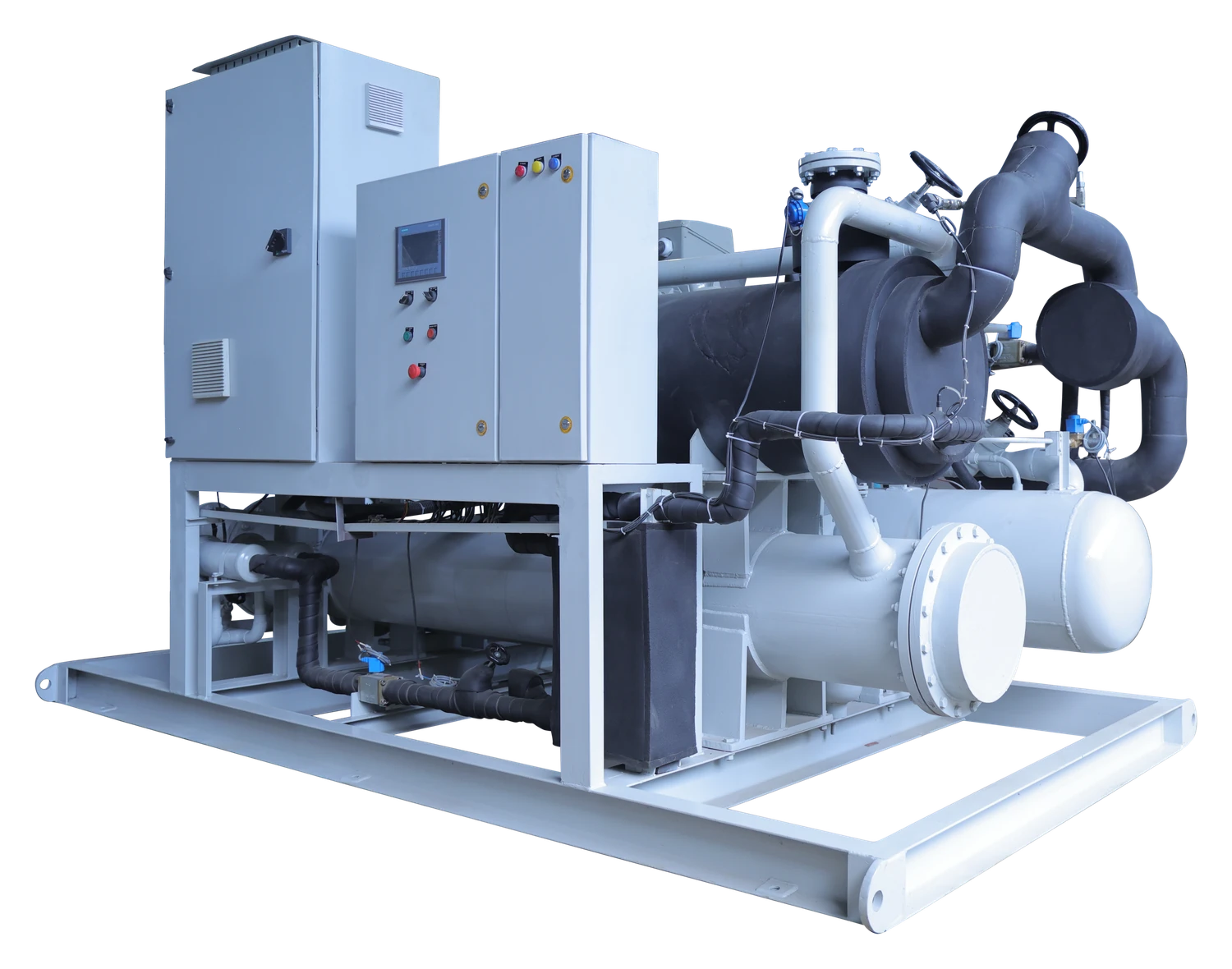
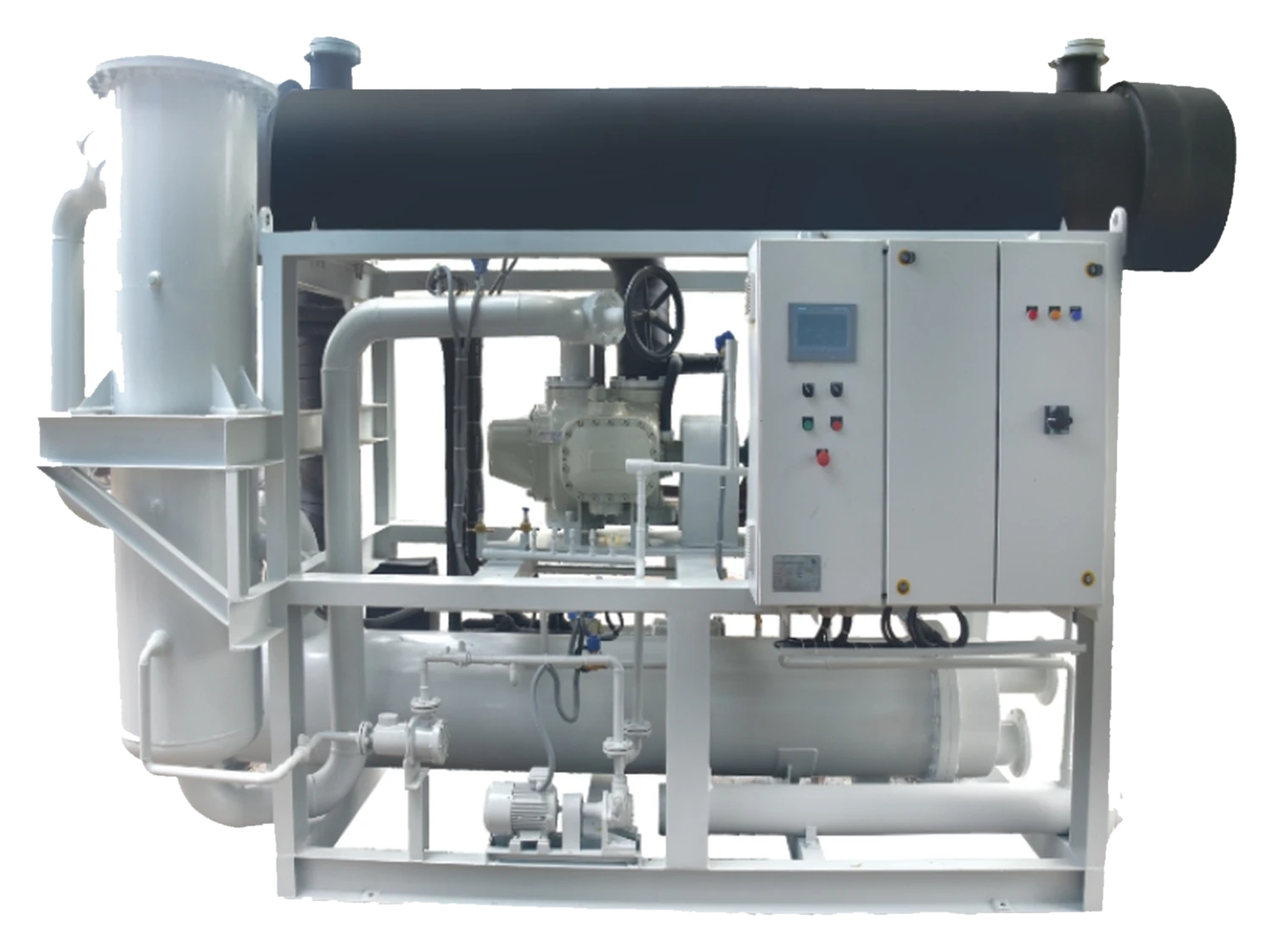
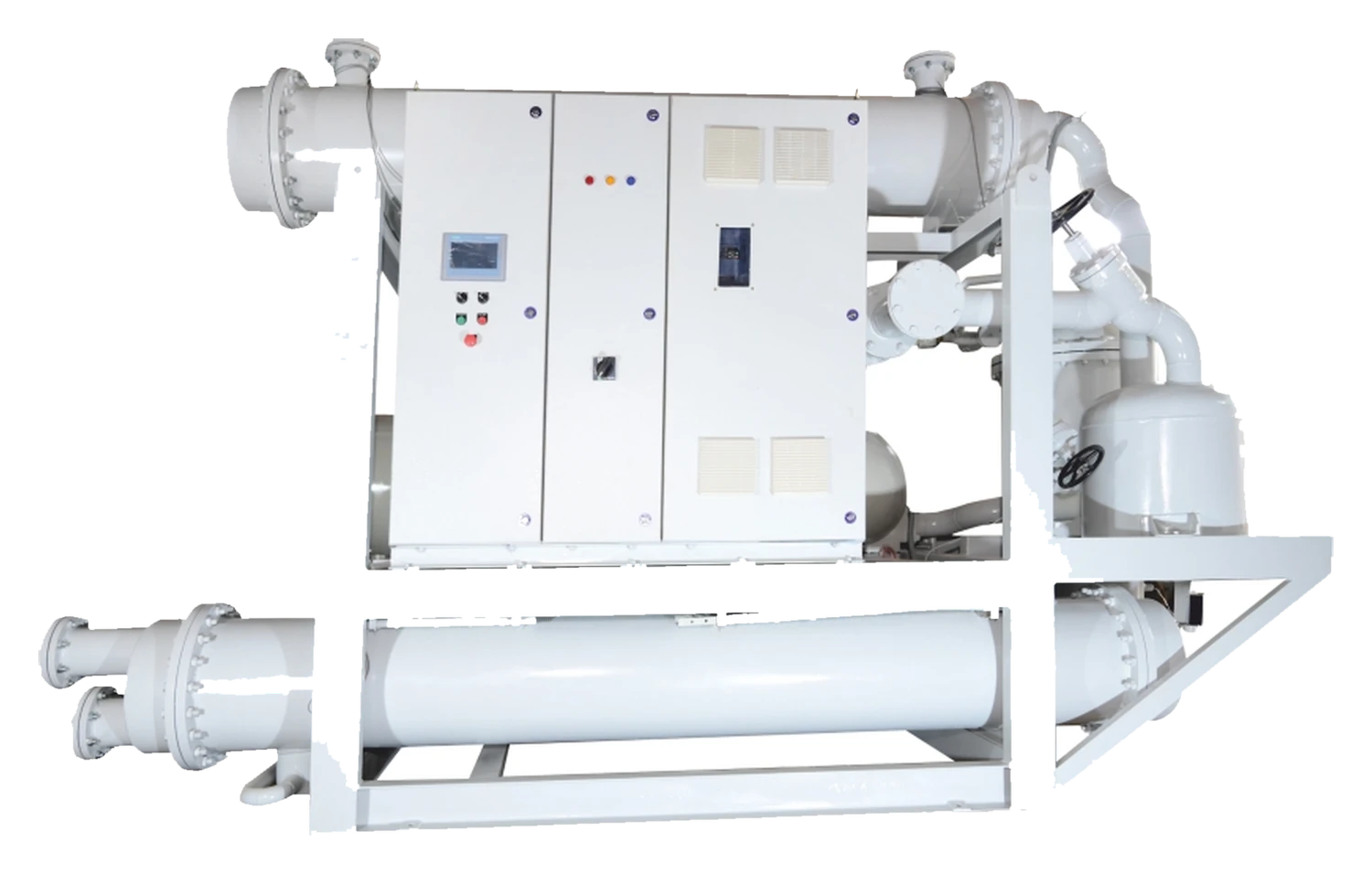
Teqtive builds methanol chillers from 1 to 500 TR down to −40 °C single-stage and to −70 °C in cascade. For reactor sizing see chiller for chemical and pharma reactors, or see our pharmaceutical industry page. Request a selection.
Frequently asked questions
Who buys methanol chillers in India?
Mainly pharmaceutical API and bulk-drug manufacturers, intermediates producers and specialty chemical plants, concentrated in clusters such as Hyderabad, Visakhapatnam, Ankleshwar, Vapi, Dahej, Baddi and the Mumbai–Pune belt, along with research and pilot plants.
What temperature do methanol chillers run at?
Typically −20 °C to −40 °C single-stage, and down to −70 °C with cascade refrigeration. Below about −25 °C methanol brine is preferred over glycol because it stays far less viscous.
What size methanol chillers are common?
Most plants buy in the range of about 10 to 150 TR at the design temperature, often as several units serving different reactor blocks. Capacity must be stated at the actual brine temperature, not at standard +7 °C conditions.
What should I check before buying a methanol chiller?
Capacity at your brine outlet temperature and ambient, evaporator material and tube type, methanol concentration, freeze and flow protection, the electrical area classification near methanol tanks and pumps, compressor type for the compression ratio, and the supplier's service support.